

Une icône née d’un art de vivre
À l’origine, Alfa Romeo cherche à remplacer la Giulietta Spider, notamment pour séduire le marché américain, alors très réceptif à l’élégance italienne. Le projet est confié à Pininfarina, qui dessine une silhouette immédiatement identifiable : basse, fluide, presque organique.
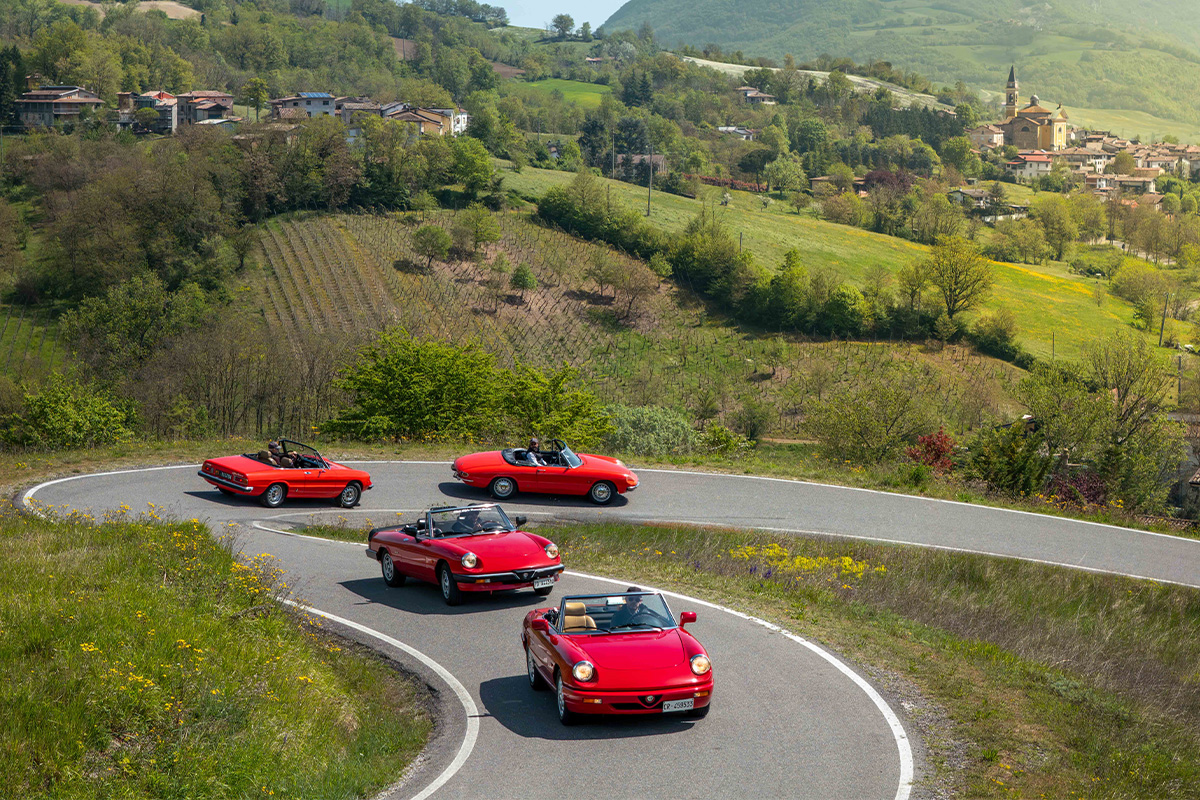
Techniquement, la Spider repose sur une base éprouvée : celle de la Giulia Sprint GT raccourcie. Propulsion, boîte manuelle à cinq rapports, quatre freins à disque et un quatre cylindres double arbre de 1 570 cm³ développant 110 ch pour moins d’une tonne : l’équation est simple, mais redoutablement efficace. Une définition presque parfaite du plaisir de conduite à l’italienne. Durant ses 28 années de carrière, la Spider évoluera en quatre séries distinctes, sans jamais trahir son ADN.
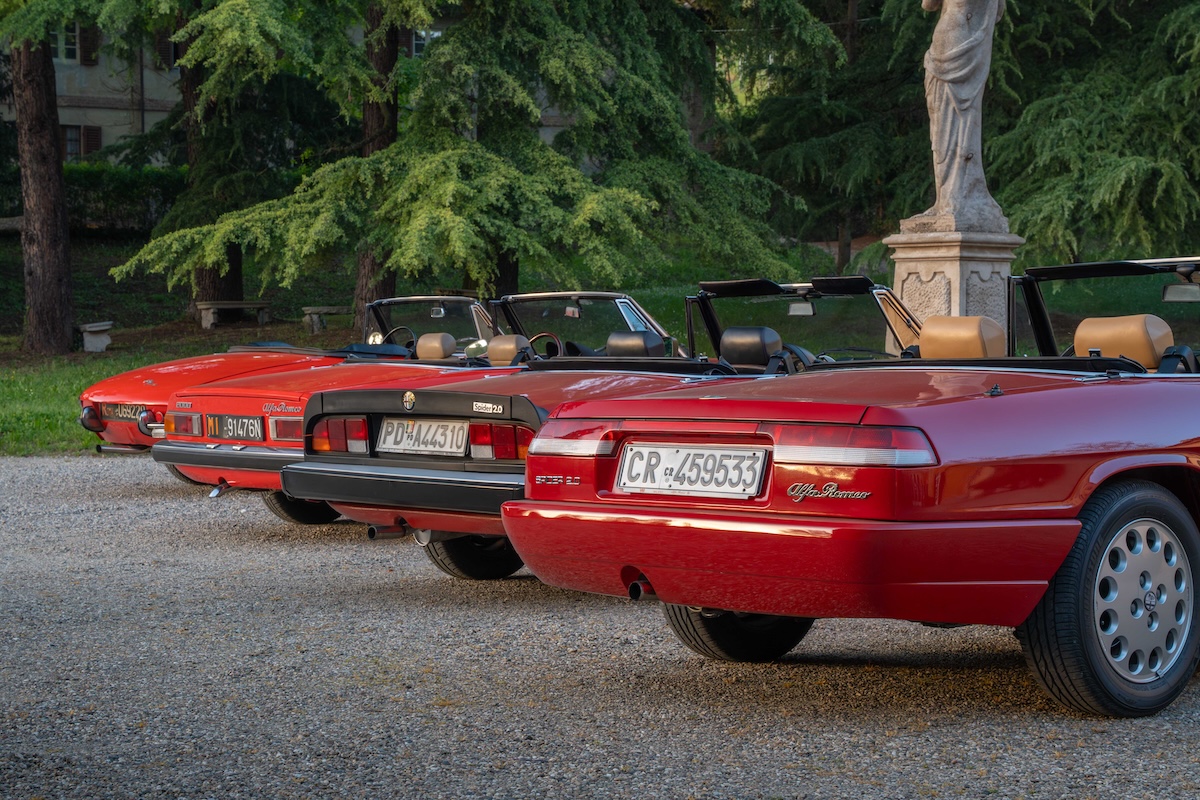
Quatre silhouettes, une seule identité
Au-delà de ses caractéristiques techniques, c’est bien son design qui marque durablement les esprits.
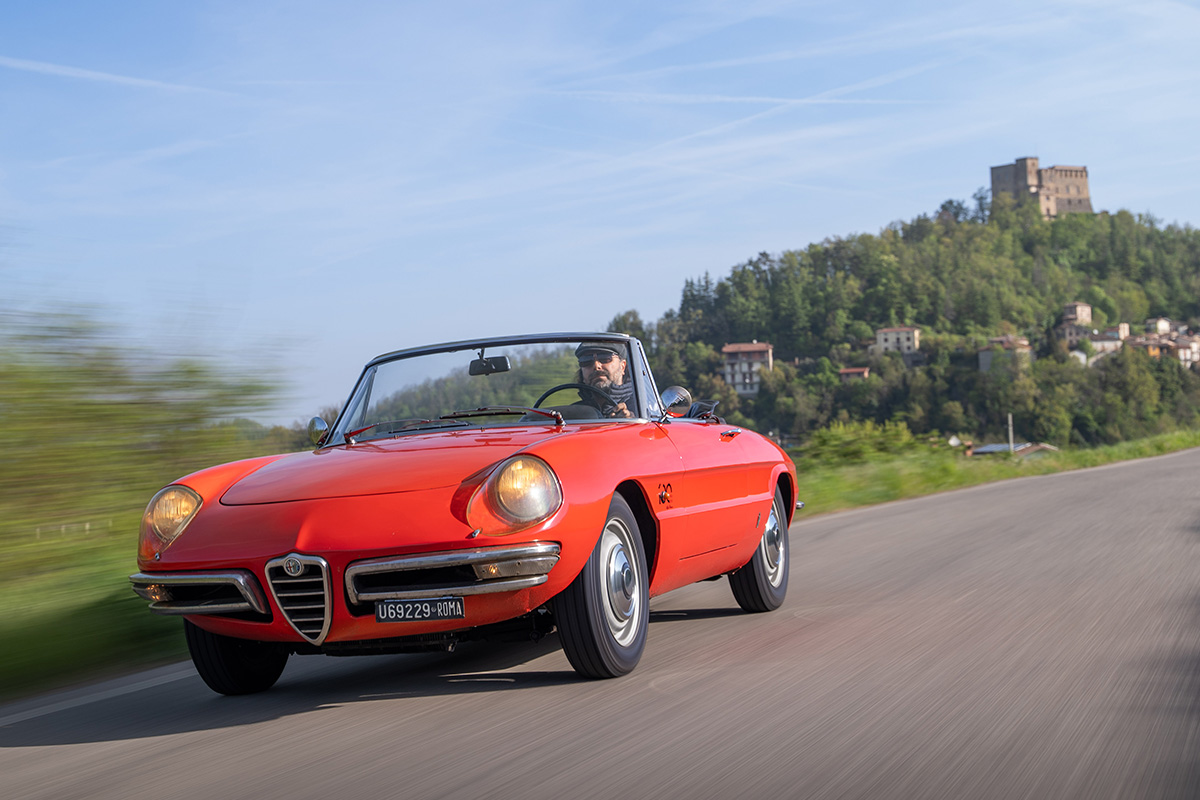
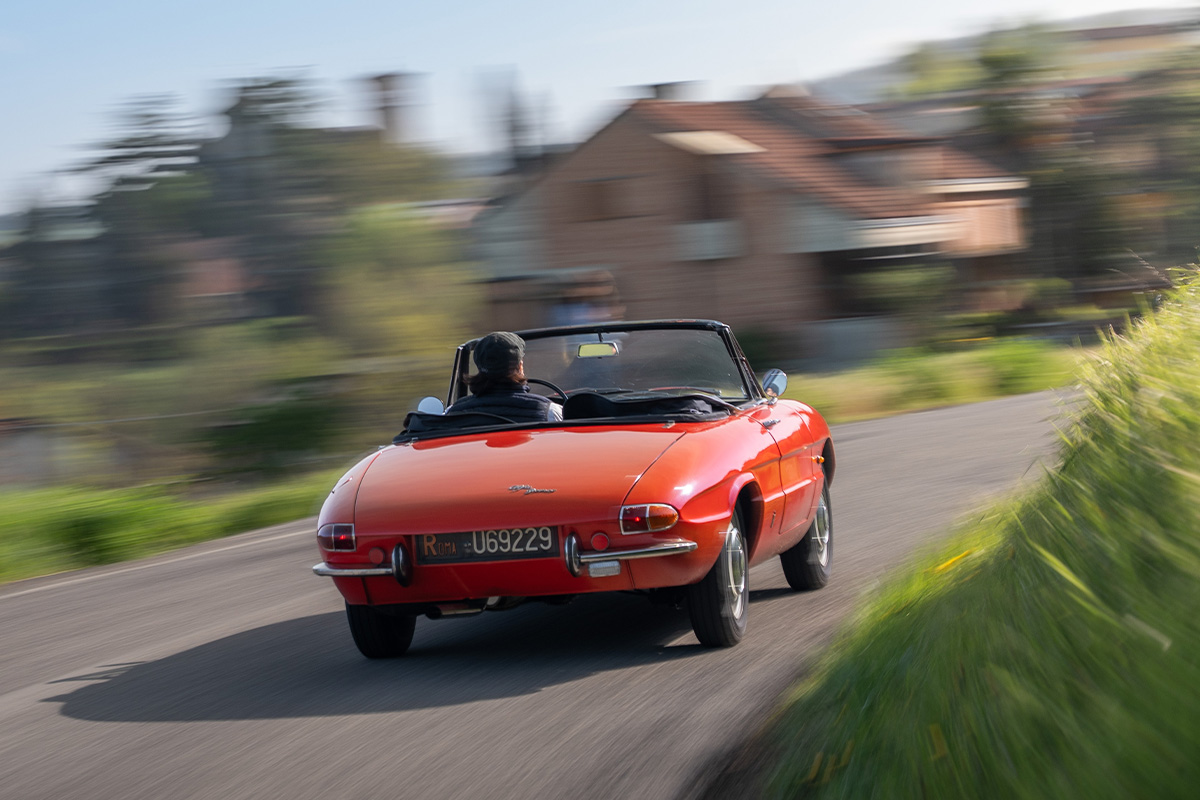
La première série (1966-1969), surnommée « osso di seppia » — os de seiche — en raison de sa poupe arrondie, reste aujourd’hui la plus pure. Sa carrosserie ellipsoïdale et ses volumes sensuels en font la plus recherchée des collectionneurs. Dernière Alfa Romeo supervisée par Battista « Pinin » Farina, elle incarne une forme d’idéal esthétique. Elle sera déclinée en 1750 Veloce, capable d’atteindre 188 km/h, ainsi qu’en 1300 Junior pour élargir sa clientèle.
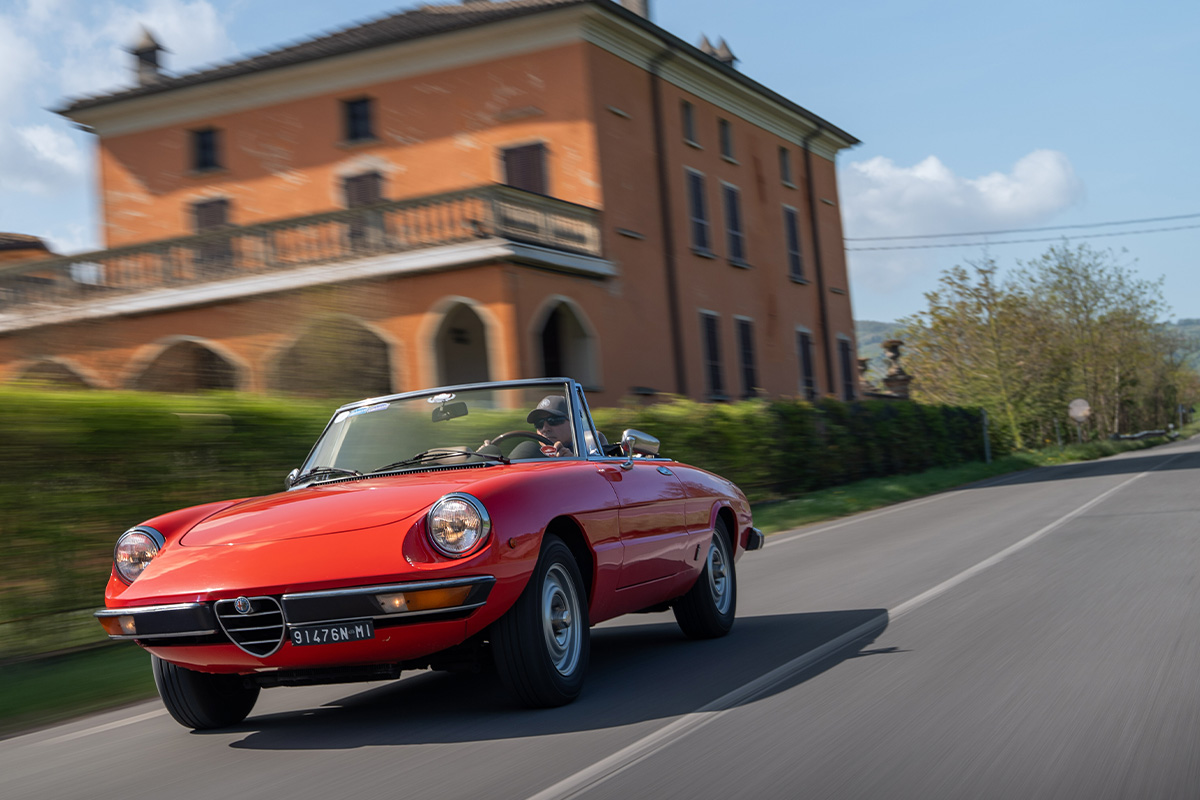
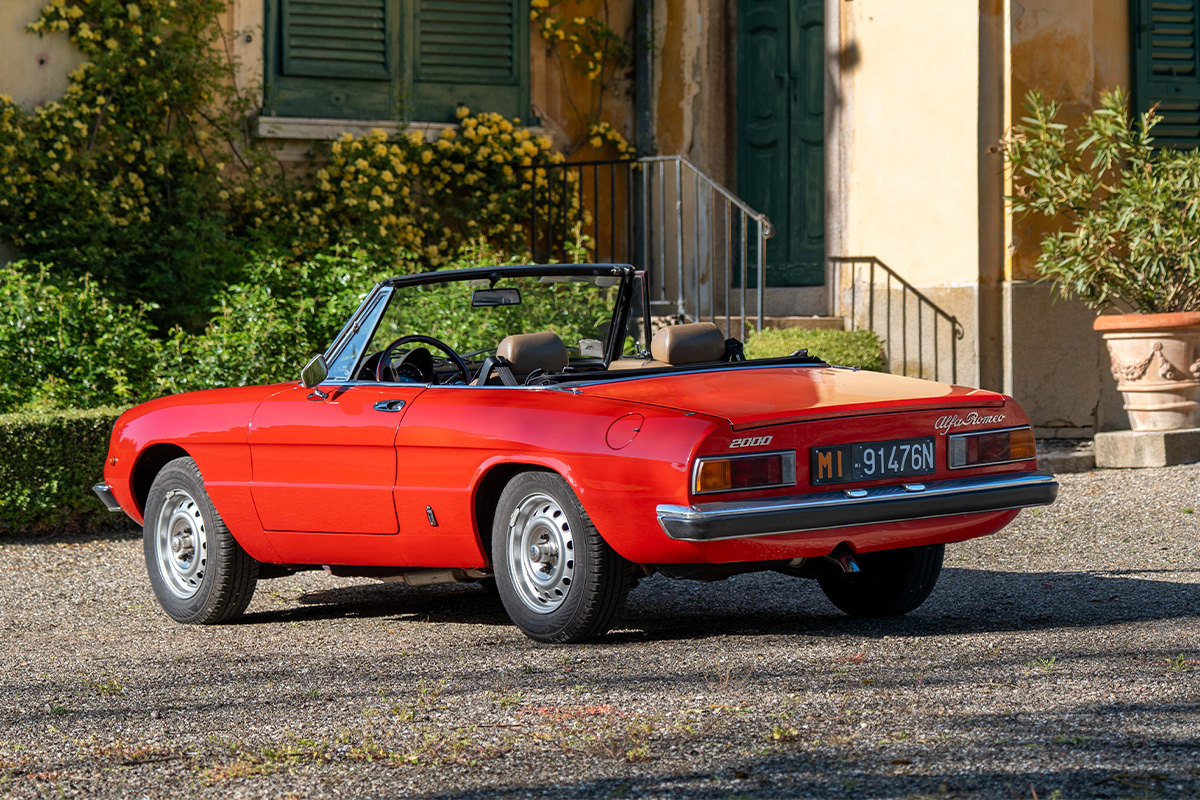
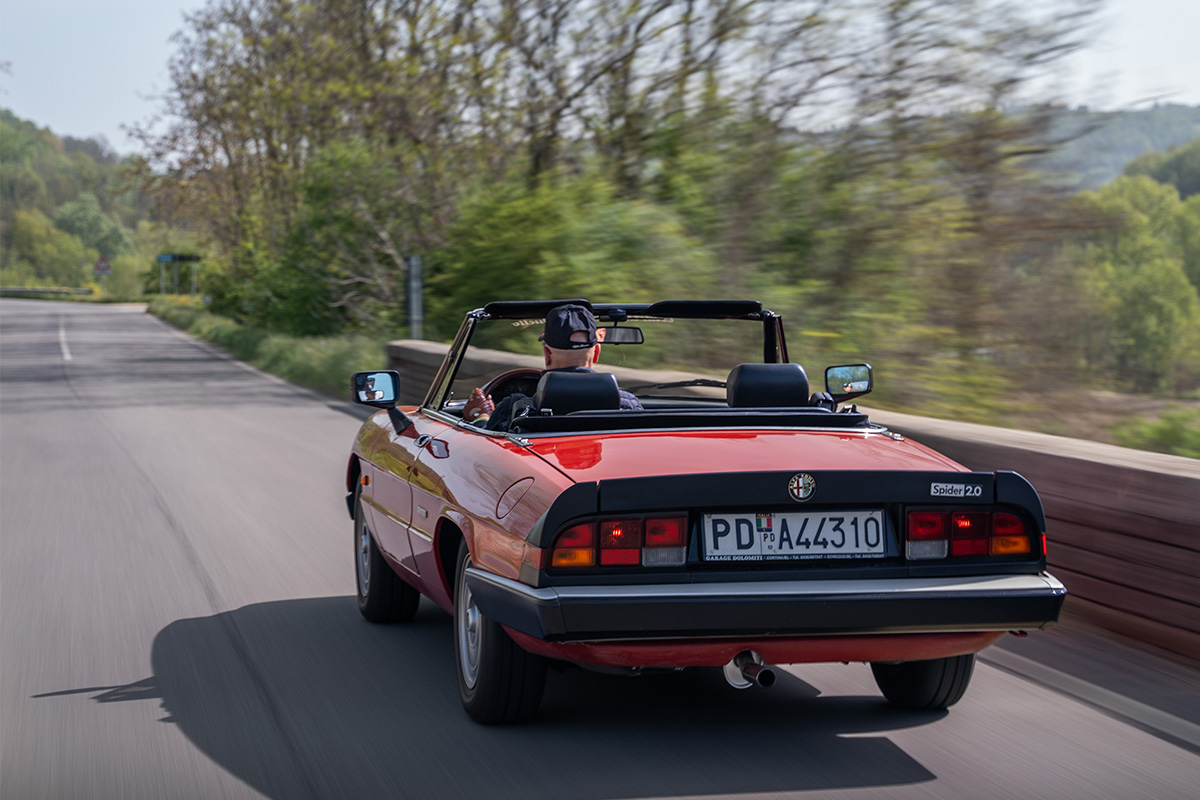
La troisième série (1983-1989), baptisée « Aerodinamica », marque une rupture plus nette. L’époque impose ses codes : pare-chocs intégrés, appendices aérodynamiques, lignes plus techniques. Les moteurs, toujours compris entre 1,6 et 2,0 litres, passent progressivement de l’alimentation par carburateurs à l’injection.
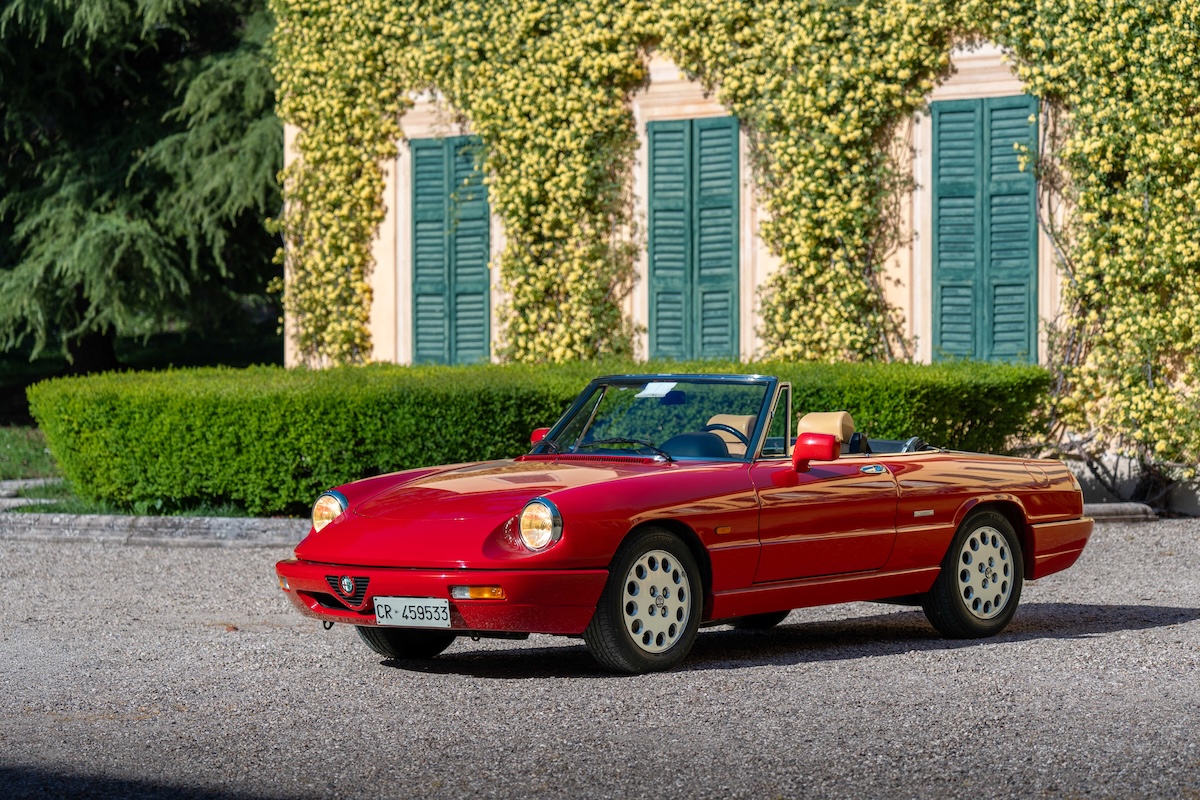
Enfin, la quatrième série (1989-1994) referme la parenthèse avec élégance. Plus épurée, elle opère un retour subtil aux sources tout en intégrant des technologies modernes : direction assistée, injection Bosch de dernière génération, et même un hard-top pour les longs trajets.
Produite sans interruption de 1966 à 1994, entre les usines d’Arese et de Pininfarina à Turin, la Spider affiche une longévité exceptionnelle. Avec plus de 124 000 unités écoulées, elle reste l’un des modèles les plus emblématiques — et les plus populaires — de l’histoire du Biscione.
« Duetto » : un nom officieux devenu légende
Fait intéressant : le nom « Duetto » n’a jamais été officialisé. Issu d’un concours organisé à l’époque, il sera abandonné pour des raisons juridiques. Qu’importe : le public s’en empare, et le surnom traverse les décennies jusqu’à devenir indissociable du modèle. Une preuve supplémentaire que certaines voitures appartiennent autant à leurs propriétaires qu’à leur constructeur.
Un anniversaire célébré avec les passionnés
Pour marquer les 60 ans du modèle, Alfa Romeo met en lumière son héritage au musée d’Arese à travers l’exposition « Spider is Alfa Romeo », visible jusqu’en décembre 2026. Une démarche intéressante, qui mêle modèles issus de la collection officielle et voitures de passionnés, brouillant volontairement la frontière entre mémoire institutionnelle et culture vivante.



Actus